
Description
Product Description
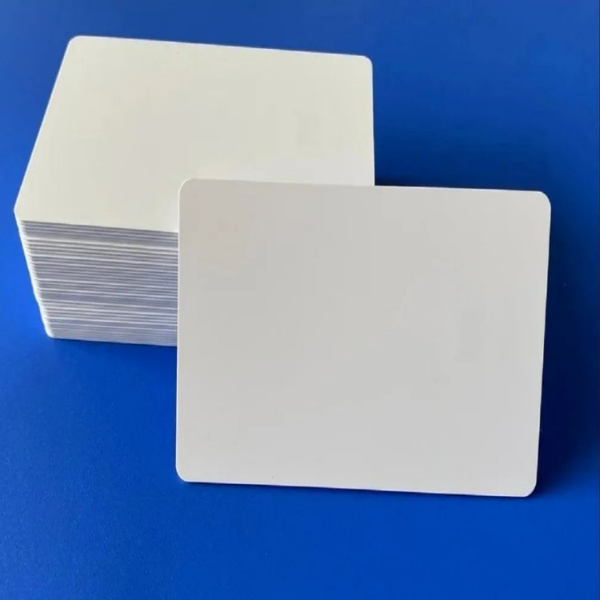
Empower your organization with the ultimate blend of high-level security, seamless operational efficiency, and multi-functional versatility. Our Next-Gen Secure Smart Cards are engineered to replace outdated, easily cloned magnetic stripe systems with advanced embedded integrated circuit (IC) technology.
Designed to serve as a secure vault in your pocket, each card securely stores, processes, and protects cryptographic keys, sensitive personal credentials, and financial data. Whether you are safeguarding corporate data networks, streamlining high-volume public transit systems, managing physical access control, or processing encrypted payments, our smart cards deliver tamper-proof reliability. Built from ultra-durable, eco-friendly polymer substrates (including PVC and Polycarbonate), these cards provide a frictionless user experience while mitigating identity theft and fraud across your entire ecosystem.
Key Benefits
-
Uncompromising Security: Features tamper-resistant silicon architecture that prevents unauthorized data extraction and dynamic encryption capabilities that defeat data counterfeiting.
-
Multi-Application Versatility: Capable of hosting independent applications simultaneously—allowing a single card to act as a corporate ID, network login key, and cashless cafeteria payment card.
-
Seamless Integration: Fully compliant with global industry standards (including ISO/IEC 7816 and ISO/IEC 14443), ensuring smooth integration with your existing POS terminals and access readers.
Types of Smart Cards
Smart cards are generally categorized using two frameworks: how they communicate (the interface) and what the internal chip can do (the capability).
1. Classification by Communication Interface
| Card Type | How It Works | Common Use Cases |
| Contact Smart Cards | Features a highly visible gold-plated metal pad on the surface. It requires physical insertion into a terminal reader to establish an electrical connection. | SIM cards, EMV banking cards (Chip & PIN), national ID cards. |
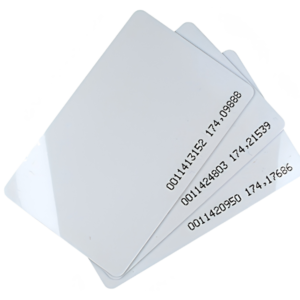
| Contactless Smart Cards | Uses an embedded antenna and Near-Field Communication (NFC) or Radio-Frequency Identification (RFID). Data transfers wirelessly when waved near a reader. | Public transit passes, hotel key cards, workplace access badges. |
| Dual-Interface Cards | Contains a single smart chip connected to both a contact pad and an embedded wireless antenna, giving users the freedom to tap or insert. | Modern credit and debit cards, hybrid transit/banking passes. |
| Hybrid Cards | Contains two separate chips with entirely independent functionalities embedded into one single piece of plastic (e.g., one proximity chip and one contact chip). | Legacy infrastructure environments where physical building access and PC network login use separate, unlinked security systems. |
2. Classification by Chip Capability
-
Memory Smart Cards (Static Data Storage):
These cards function purely as simple data storage vaults. They contain memory circuits but lack a processing engine or operating system. Because they cannot dynamically compute cryptographic protocols, they rely on basic security like fixed PINs or password-protected sectors. They are highly cost-effective for large-scale, closed-loop systems like prepaid gift cards, loyalty point cards, or parking meters.
-
Microprocessor Smart Cards (Miniature On-Card Computers):
These are intelligent cards embedded with a full microchip consisting of a Central Processing Unit (CPU), dynamic RAM, and an internal Card Operating System (COS). These cards don’t just hold data—they process it. They can generate dynamic cryptograms, run algorithms, handle deep security protocols, and manage multiple isolated applications. They are standard for secure corporate IT authentication, government e-passports, and open payment networks.
-
Complex/Display Smart Cards (Interactive Tech):
An evolution of traditional smart cards that conforms to standard card dimensions but embeds specialized hardware like miniature bistable electronic ink displays, alphanumeric capacitive touch keypads, or internal biometric fingerprint scanners. They are primarily engineered for generating dynamic One-Time Passwords (OTPs) or displaying real-time financial balances directly on the card body for secure online banking authentication.

Reviews
There are no reviews yet.